
A step-by-step guide for Souderton homeowners: no tools required
It usually starts small. Your water bill jumps a few dollars. There’s a faint musty smell near the hallway bathroom. Maybe the kitchen floor feels just slightly soft. Most people shrug this off as seasonal changes. But those tiny hints? Often, the earliest signs of a hidden water leak quietly cause damage under floors, behind walls, or beneath the foundation.
Here’s the frustrating truth: by the time you notice puddles, the leak has often been running for weeks, sometimes months. The good news is you don’t need fancy equipment or a plumber for the first check. You can run a home water leak check in under 10 minutes.
Why Hidden Water Leaks Cause More Trouble Than You Think
Even a slow drip adds up. One cup of water a day seems harmless, but over three months, that’s more than 5 gallons soaked into your home. Multiply that across a toilet leak, under-sink drip, or hairline pipe crack, and suddenly you’re looking at serious damage.
Here’s what can happen if you ignore it:
| Issue | What It Means | Real-World Data |
| Structural damage | Wood framing, subfloors, and walls weaken | American Home Shield reports a $3,500 average repair for unnoticed leaks |
| Mold growth | Starts within 24–48 hours | EPA notes that mold remediation can cost $500–$6,000, depending on the spread |
| Higher water bills | Even a slow toilet leak wastes 200 gallons/day | That’s ~ $1.50/day or ~$45/month extra for Souderton rates (~$0.0075 per gallon) |
| Insurance problems | Gradual leaks are often not covered | Policies may deny claims if the leak is “long-term.” |
Older homes in Souderton, Victorians, and colonials off Main Street are especially prone to slow wood rot. And, honestly, even a modern 1980s house can have failing polybutylene supply lines that sneakily drip.
The 10-Minute Water Leak Check
All you need:
- Your water meter (usually outside near the street or in the basement)
- Pen/paper or phone for readings
- Flashlight
That’s it. Let’s break it down.
Step 1: The Water Meter Leak Test (2 Minutes)
This is the simplest, most reliable DIY test.
- Turn off everything using water faucets, the dishwasher, the ice maker, and the washing machine.
- Note the meter reading, including the small flow indicator (usually a triangle or star).
- Wait 10 minutes without using water.
- Check the meter again. Even slight movement means water is flowing somewhere it shouldn’t.
Pro tip: The small triangle spinning on the meter while nothing is running? That’s your first clear sign of a leak. Even minor changes in the total reading are worth investigating.
Real-world example: A Souderton home I visited had a meter shift of 0.02 gallons per minute, translating to roughly 28 gallons per day, all from a tiny toilet flapper leak. That’s $210 USD extra over a quarter.
Step 2: Toilet Leak Test (2 Minutes)
Toilets are the top hidden culprit. A worn flapper can waste hundreds of gallons a day.
- Remove the tank lid.
- Add 5–6 drops of food coloring (or a dye tablet). Don’t flush.
- Wait 10 minutes.
- Look in the bowl; if color appears, replace the flapper.
They cost under $10 USD, and swapping takes 10–15 minutes. Test every toilet in your home, yes, all three if you have a typical Souderton family home.
Fun note: It’s wild how a tiny rubber valve can eat $50 USD–$100 USD off your monthly water budget before you notice anything else.
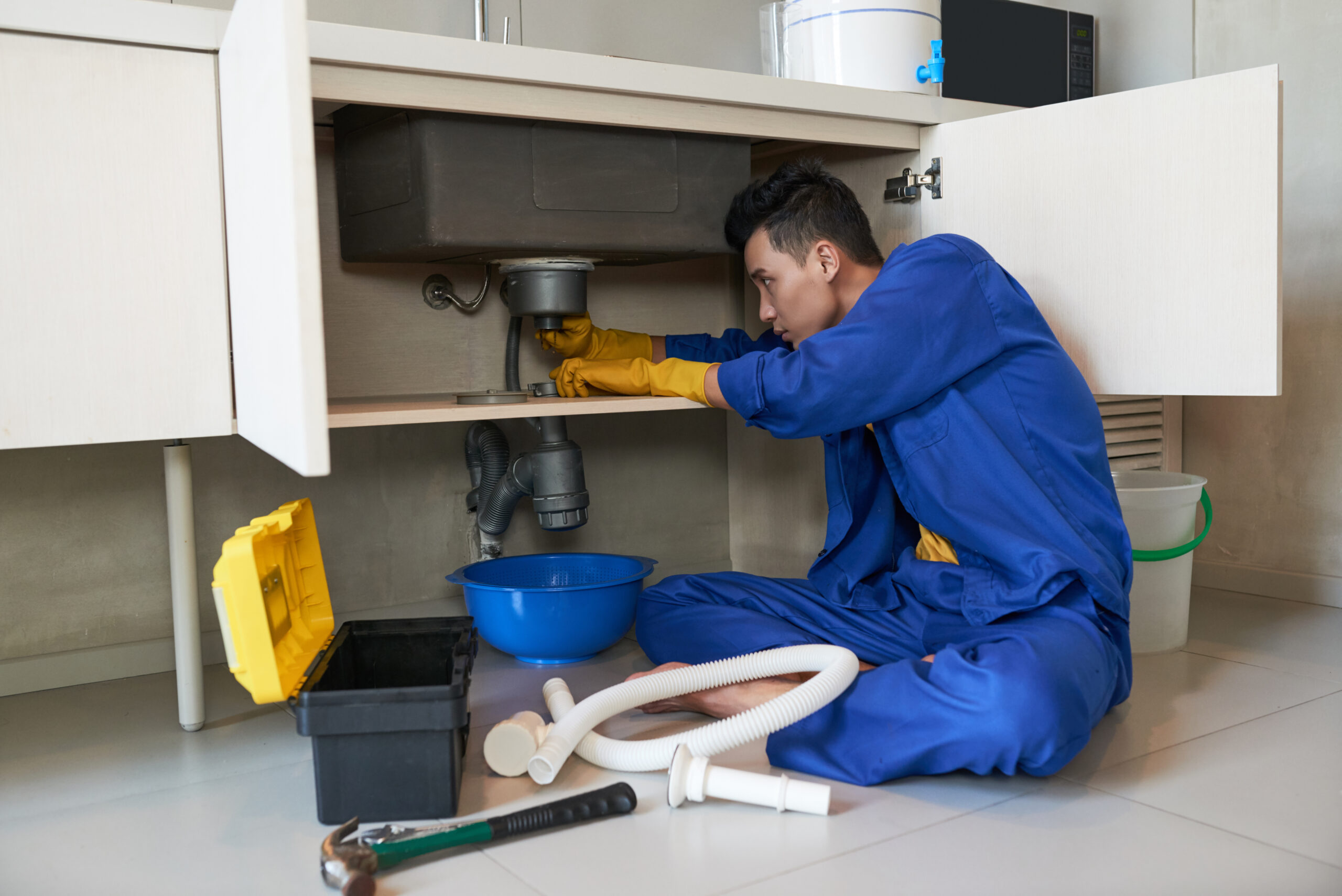
Step 3: Check Under Sinks (2 Minutes)
Flashlight time. Open every cabinet under sinks: kitchen, bathrooms, and utility. Watch for:
- Water stains, rust rings, or discolouration
- Drips around supply or drain pipes
- Soft/swollen cabinet wood
- White calcium deposits indicate recurring leaks
Most people never open these cabinets. A quick 20-second look could prevent serious damage.
Step 4: Scan Walls and Ceilings (2 Minutes)
Walk the house, including closets. Look for:
- Ceiling stains yellow or brown rings
- Bubbling or peeling paint
- Vertical streaks down walls
- Mold spots near baseboards or corners
- White chalky deposits (efflorescence) on the basement walls
Focus on ceilings under upstairs bathrooms; in older two-story homes, they hide overflows or pipe drips there.
Step 5: Soft Spots and Appliance Check (2 Minutes)
Press gently on floors in the kitchen, laundry, and bathrooms:
- Spongy or soft spots mean moisture in the subfloor
- Cracked/lifting vinyl or tile near toilets or washers
Check behind appliances too:
- Washing machines: Inspect hose connections. Rubber hoses fail silently; braided steel lasts longer.
- Fridge with ice maker: Plastic supply lines are weak spots.
- Water heater: Rust or wet rings at the base are warning signs.
Warning Signs to Watch
Some clues are subtle. Don’t ignore:
| Sign | Likely Cause |
| Water bill up 20%+ | Continuous hidden leak |
| Musty indoor smell | Moisture trapped in walls/floor |
| Soft floor | Subfloor saturation |
| Ceiling stains | Leak above |
| Mold spots on walls or grout | Long-term plumbing leak |
| Sudden low water pressure | Pipe break or underground leak |
| Running water sound with all off | Continuous flow, check meter |
If three or more apply to your home, it’s not a coincidence. Book a water leak inspection before the school year chaos.
When DIY Isn’t Enough
The 10-minute check tells you if there’s a leak, not always where.
- Meter movement but no visible leak?
- Ceiling stains with no bathroom above?
Leaks inside walls, under slabs, or buried pipes need professional detection, acoustic sensors, pressure tests, and thermal imaging to be found.
Call a pro if:
- The meter shows movement, but the fixtures are fine
- Damp basement walls without an entry point
- You hear water inside the walls/ceilings
- High water bills for 2+ months
- Mold smell with no visible source
What a Professional Will Do
A plumber specializing in plumbing leak detection will:
- Run pressure tests on supply lines
- Use listening devices for water in walls or underground
- Apply thermal imaging to spot wet insulation
- Inspect all supply and drain lines, including behind appliances and crawl spaces
Most of the time, inspections are non-invasive. A skilled technician won’t suggest opening walls until they know the exact source, saving you money on unnecessary repairs.
Call immediately if:
- Sudden loss of water pressure
- Water seeping from walls, ceilings, or floors
- Moisture near electrical outlets
- Sewage smell and moisture
Why Souderton Homes Are Unique
Older Victorian and Craftsman homes often have cast-iron drain lines that slowly corrode, causing hidden sewer leaks. Homes built in the 70s–80s may have polybutylene pipes, which become brittle and fail without warning.
If your home is over 30 years old and has never had a leak check, autumn is ideal before the first freeze and before school schedules get busy. After a summer of local sports tournaments, plumbing is under extra stress.
Quick Recap
- Water meter test: Everything off, note reading, wait 10 min, and check again
- Toilet leak test: Put food coloring in the tank, wait 10 min, and check the bowl.
- Under-sink inspection: Flashlight check for stains, drips, soft wood
- Walls and ceilings: Stains, bubbling paint, mold, streaks
- Floors & appliances: Soft spots, behind the washer, fridge, water heater
Total time: under 10 minutes. Potential savings: thousands in damage and mold remediation.
Found Something? Act Fast
If you spot a moving meter, colored toilet water, or new stains, call a licensed plumber. Hidden leaks only get more expensive. Early detection beats repair costs every time.
Sample Chart: Daily Water Waste From Common Leaks
| Leak Type | Gallons/Day | Cost/Month (Souderton Rates) |
| Toilet flapper | 200 | $45 |
| Faucet drip | 15 | $3.50 |
| Washing machine hose leak | 50 | $11 |
| Under-sink slow drip | 10 | $2.25 |
Bottom Line
A hidden water leak can quietly wreck your home and inflate your bills. A quick 10-minute check of meters, toilets, sinks, walls, and floors can save you thousands and spare you a lot of headaches. Don’t wait.
Even small leaks, like a dripping faucet or a slow toilet flapper, add up faster than most homeowners realize. Ignoring them isn’t just about money; it’s about preventing mold, structural damage, and stress later on. Regular checks become a simple habit that keeps your home safe and your bills predictable. Remember, catching a leak early is always cheaper and less disruptive than fixing months of hidden damage. Take 10 minutes now; you’ll thank yourself later.